

Water Testing Services
Romeo Water Conditioning

Start With Facts About Your Water
Water testing measures specific physical and chemical characteristics in a sample. The results can help explain hardness, staining, unusual taste or odor, scale, and other concerns—and guide the selection of appropriate treatment equipment.
When Water Testing Is Useful
Testing is especially valuable for private wells, after a noticeable change in water, before purchasing treatment equipment, or when an existing system is not solving the problem. Basic on-site checks and laboratory analysis serve different purposes, so the recommended approach depends on what you need to learn.
On-Site Water Testing
- Hardness
- Iron
- PH
- TDS
- Chlorine
- Arsenic
Collecting and Analyzing a Water Sample
Some measurements can be performed during a service visit, while others require a certified laboratory. Accurate results depend on using the correct container, sampling location, preservation method, and delivery time. We will explain the proper process for the type of analysis being requested.
Arrange Water Testing With Our Team
Contact Romeo Water Conditioning and tell us what you are noticing. We can recommend suitable screening or laboratory testing, help coordinate sample collection, and explain how the results relate to possible treatment options.
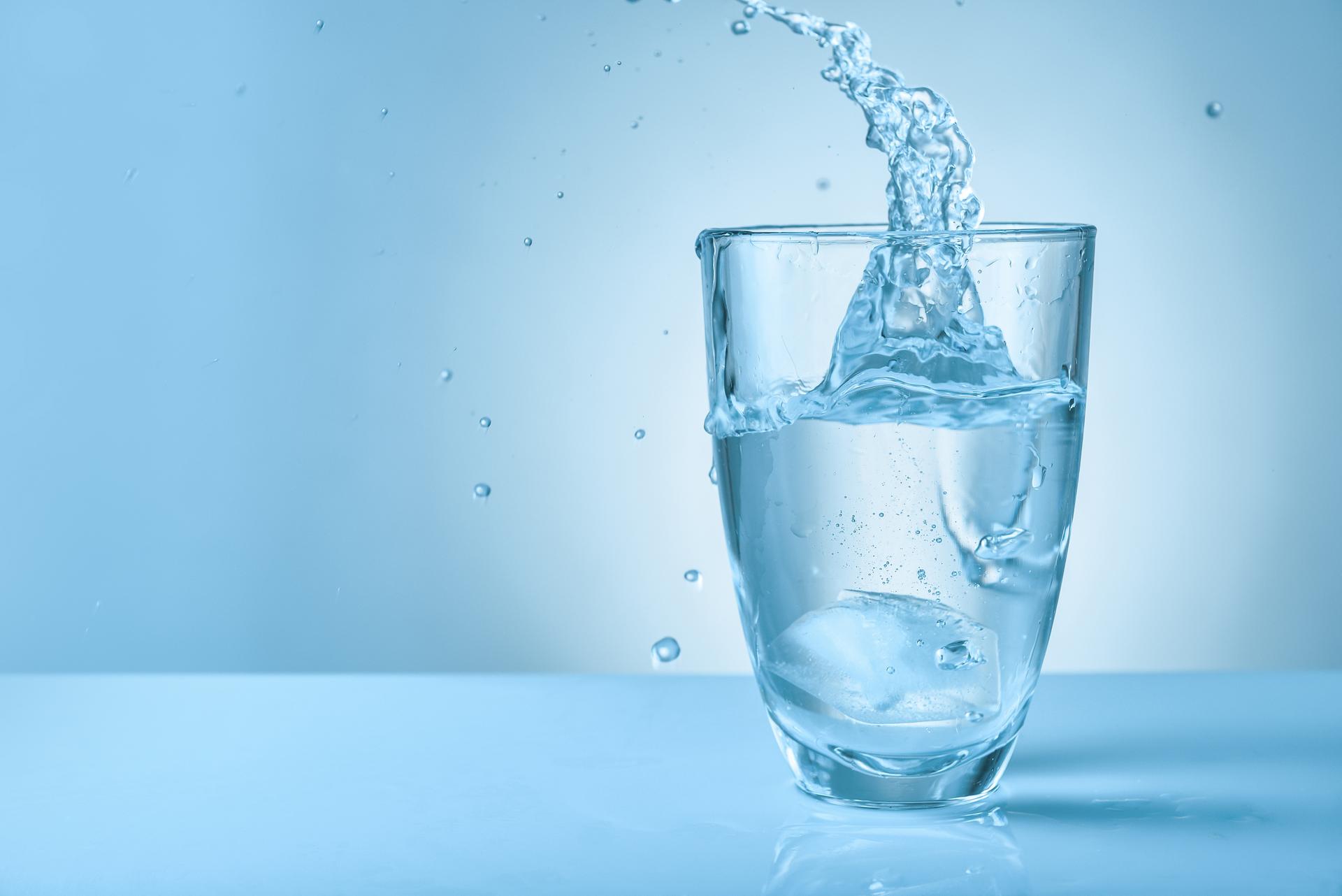
Understanding Water Quality
Understanding Water Quality
Each measurement describes a different part of water quality. No single number tells the whole story, which is why results should be considered together with the water source and the concerns at the property.
- Hardness
- Description: Caused by high levels of calcium and magnesium in water.
- Importance: Hard water can cause scaling in pipes, reduce the efficiency of soap and detergents, and affect taste. It’s not harmful to health but can lead to maintenance issues.
- Iron
- Description: Often found in groundwater, appearing as dissolved or particulate matter.
- Importance: Excessive iron causes staining on fixtures and laundry, affects taste, and can promote bacterial growth.
- pH
- Description: Measures the acidity or alkalinity of water on a scale of 0-14 (7 being neutral).
- Importance: A pH outside the range of 6.5-8.5 can corrode pipes, affect the solubility of other contaminants, and cause health issues.
- TDS (Total Dissolved Solids)
- Description: Represents the total concentration of dissolved substances in water, such as salts and minerals.
- Importance: High TDS levels can affect taste, cause scaling, and indicate potential contaminants like nitrates or heavy metals.
- Chlorine
- Description: A disinfectant used to kill bacteria and other pathogens in water.
- Importance: While effective in disinfection, excess chlorine can cause an unpleasant taste and potentially harmful byproducts.
- Arsenic
- Description: A naturally occurring toxic element that can contaminate groundwater.
- Importance: Arsenic exposure can lead to severe health problems, including cancer, making its removal critical for safe drinking water.
Understanding these factors makes it easier to separate aesthetic concerns from issues that require further analysis and to choose treatment equipment for a clearly defined purpose.